
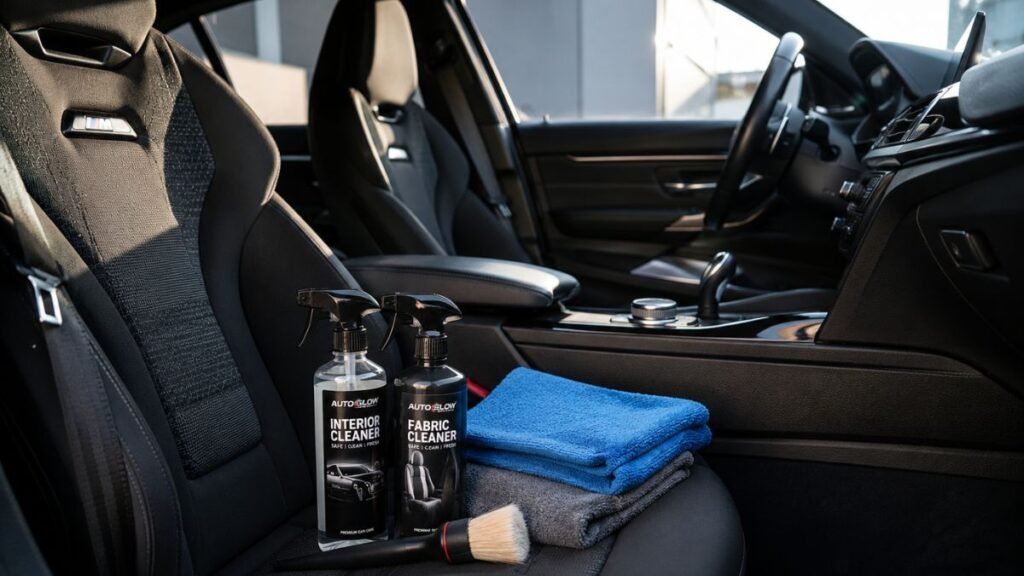
Whether you are dealing with daily commuter dust, coffee spills, or stubborn toddler food messes, knowing how to clean car seats properly is essential for maintaining your vehicle’s interior health, hygiene, and overall resale value. Over time, car upholstery absorbs body sweat, food oils, liquid spills, and fine road dust particles that regular dry vacuuming simply cannot lift from the fibers.
While taking your vehicle to a commercial auto detailing shop can cost hundreds of dollars, learning how to clean car seats from your own driveway is surprisingly easy when you have the right techniques and supplies.
In this comprehensive DIY auto detailing guide, we will break down step-by-step methods to wash fabric upholstery, condition luxury leather, remove tough stains, and utilize high-heat extraction tools like a steam cleaner to make your car interior look and smell brand new!
🛠️ Essential Cleaning Supplies Checklist
Before jumping into the cleaning process, gathering the proper detailing tools will save you time and prevent accidental damage to sensitive interior materials. If you regularly wash your vehicle’s exterior as well, learning what is a touchless car wash can help you protect your exterior clear coat alongside the cabin.
Here is the ultimate checklist of supplies needed when mastering how to clean car seats effectively:
- High-Powered Car Vacuum: Equipped with narrow crevice nozzles and soft brush attachments to reach deep seat crevices.
- Microfiber Towels: Ultra-soft, highly absorbent lint-free towels for wiping down cleaning liquids and buffing surfaces dry.
- Soft-Bristled Detailing Brush: A natural horsehair or soft nylon interior brush to agitate grime without fraying fabric threads or scratching leather.
- Fabric or Leather Cleaner: Dedicated ammonia-free interior cleaners formulated specifically for automotive materials.
- Steam Cleaner or Portable Spot Extractor (Optional): The ultimate professional tool for melting away deep-set grease, sanitizing fibers, and pulling buried liquid stains up.
- Spray Bottle & Warm Water: For diluting heavy cleaning solutions and dampening towels safely without soaking the seats.
🧼 Method 1: How to Clean Fabric and Cloth Car Seats
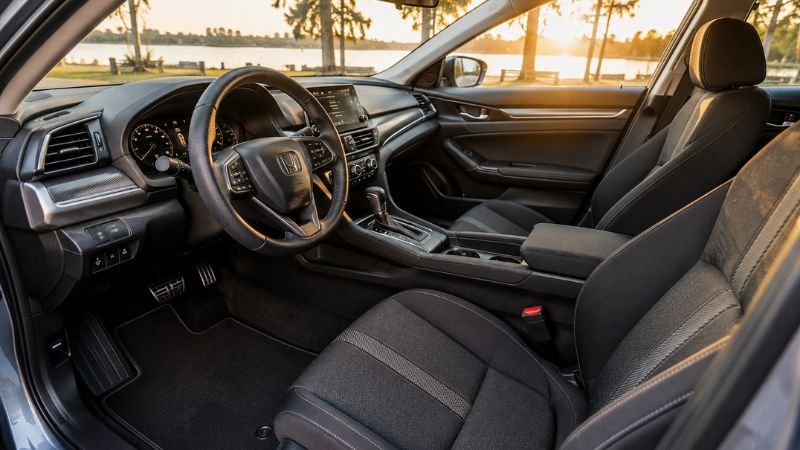
Fabric and cloth car seats act like dense sponges, trapping crumbs, liquid spills, airborne dust, and pet hair deep inside the seat foam. When studying how to clean car seats made of woven fabric, follow this systematic process to lift embedded dirt out safely without causing water spots.
Step 1: Thoroughly Vacuum Crevices and Seams
Start by vacuuming the entire seat starting from the top headrest down to the lower seat cushion. Press your narrow crevice tool deep into the seams where the seat back meets the bottom cushion to pull out hidden debris, sand, pet fur, and food particles.
Step 2: Apply Interior Fabric Cleaner
Lightly mist your dedicated fabric upholstery cleaner directly onto the cloth seat. Avoid soaking the seat completely! Excess moisture can seep deep into the underlying seat cushion foam, leading to unpleasant mildew smells, mold growth, and extended drying times.
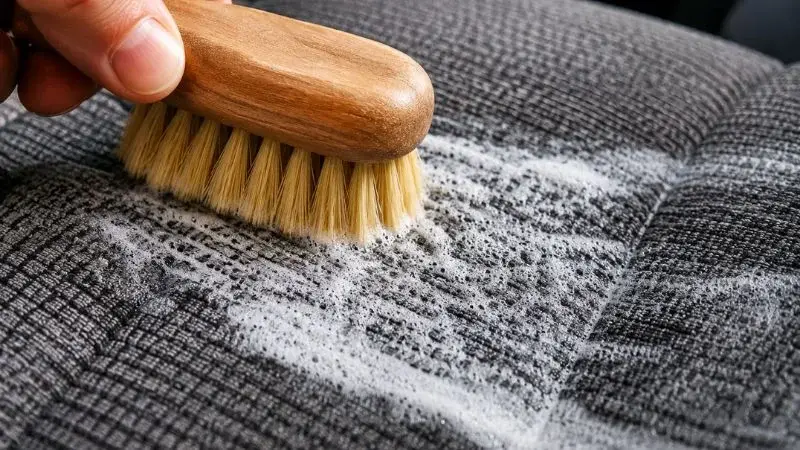
Step 3: Agitate With a Soft-Bristled Brush
Using a soft-bristled interior brush, scrub the damp fabric in gentle circular motions. Agitation breaks up ground-in dirt, lifts stubborn food grease, and creates light cleaning suds on the upholstery surface to pull contaminants out of the weave.
Step 4: Wipe Away Dirt and Moisture
Before the cleaning suds air-dry back into the fabric fibers, take a clean microfiber cloth and press it firmly into the seat to absorb the loosened grime and excess moisture completely. Repeat this process systematically when learning how to clean cloth car seats across all seating rows.
💨 Method 2: How to Clean Car Seats With Steam Cleaner (The Ultimate Deep Wash)
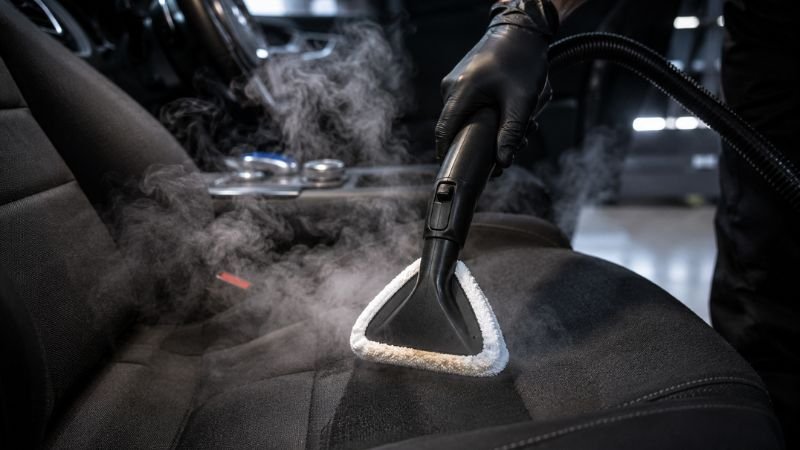
If you are wondering about the absolute fastest way to deep clean filthy cloth interior without using harsh chemical smells, learning how to clean car seats with steam cleaner equipment is the ultimate detailer secret. High-temperature steam breaks down sticky oils instantly while sanitizing fabric fibers from bacteria and stubborn allergens.
📋 Steam Cleaning Process Breakdown
| Stage | Detailing Action | Key Objective |
| Step 1 | Dry Vacuuming | Remove loose dirt, crumbs, and surface sand |
| Step 2 | Pre-Treatment Spray | Mist light enzyme cleaner over heavy stain spots |
| Step 3 | Steam & Agitate | Apply 200°F+ dry steam to dissolve oils & sanitize |
| Step 4 | Microfiber Extraction | Press dry microfiber towels to trap lifted moisture |
Step-by-Step Steam Cleaning Routine:
- Pre-Vacuum: Vacuum the seat thoroughly to eliminate loose sand and surface dust before applying moisture.
- Pre-Treat Stains: Lightly spray an enzyme-based fabric cleaner onto heavy spots or dark spill lines.
- Apply Targeted Steam: Attach a triangular utility head wrapped in a microfiber cloth to your steamer wand. Press the steam trigger and move the attachment slowly across the cloth seat in overlapping passes.
- Extract and Wipe: As the 200°F+ dry steam melts sticky grime and dissolves old oil buildup, immediately wipe down the area with a dry microfiber towel to trap the lifted moisture and dissolved dirt.
- Air Dry Fully: Roll your car windows down slightly and let the seats dry completely for 2 to 3 hours in a well-ventilated area before driving your vehicle again.
🛋️ Method 3: How to Safely Clean Leather and Leatherette Seats
Understanding how to clean leather car seats requires a much gentler touch than fabric upholstery. Strong alkaline household soaps can strip natural protective oils, causing high-grade leather to dry out, fade, and crack over time under direct heat.
(Note: While detailing your glass and seat area, if you notice fine glass scratches, read our easy guide on how to remove scratches from car windshield without damaging optical clarity).
Step 1: Carefully Vacuum Surface Grit
Vacuum the leather seats carefully using a soft brush attachment. Ensure no hard plastic vacuum edges or metal nozzles scratch or gouge the soft leather surface finish.
Step 2: Clean Perforated vs. Smooth Leather
For smooth leather, spray a pH-neutral automotive leather cleaner onto a microfiber cloth and wipe down the seat back, side bolsters, and headrest. If your vehicle features perforated leather (seats with small ventilation holes), spray the cleaner onto your soft brush instead of spraying liquid directly onto the seats to prevent liquid from filling the internal heating holes.
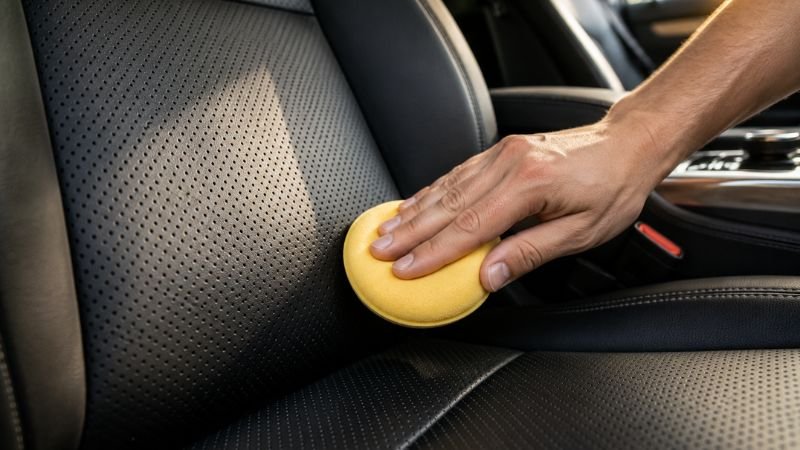
Step 3: Wipe Dry and Apply Conditioner
Wipe off excess cleaner with a fresh towel. Once dry, apply a high-quality leather conditioner using a microfiber applicator pad in smooth circular motions. Knowing how to clean car seats made of leather involves this crucial conditioning step to restore suppleness, provide UV protection against sun bleaching, and maintain a rich matte factory finish.
🎯 DIY Stain Removal Hacks for Common Messes
- Coffee and Soda Spills: Mix 1/4 cup of baking soda with 1 cup of warm water to create a mild cleaning paste. Apply the paste onto the stain, scrub lightly with a soft toothbrush, let sit for 15 minutes, and blot away with a damp cloth. For deep-set spots, check out our full guide on how to remove stains from car seats for specialized stain-fighting techniques.
- Oily Food Stains: Sprinkle cornstarch or baking soda directly onto the oily spot to draw out grease from the fabric fibers before scrubbing with mild dish soap water.
- Pet Hair Removal: Rubber detailing brushes, dedicated lint rollers, or pumice stones gently pulled across cloth seats pull stubborn pet fur out of woven fibers effortlessly.
- Salt and Mud Ring Removal: Combine equal parts white vinegar and warm water in a spray bottle. Vinegar dissolves white salt crusting left behind from winter driving without damaging delicate seat fabrics.
👶 Special Note: Cleaning Child Safety Seats Safely
Child safety seats require distinct care compared to standard vehicle upholstery. When considering how to clean car seats designed for infants, never submerge harness straps in water or use harsh chemical solvents like bleach, Lysol, or Febreze, as these chemicals degrade flame-retardant fabric coatings and weaken strap webbing integrity.
According to automotive safety guidance published by Forbes Vetted Automotive Care, always wash removable seat pads on delicate washing machine cycles using mild baby detergent, and wipe down harness straps gently using warm water and mild soap.
❓ Frequently Asked Questions (FAQs)
Can I use dish soap when learning how to clean car seats?
While mild dish soap diluted in warm water works in a pinch for minor spot cleaning, avoid soaking seats with it. Dish soap leaves behind a sticky residue if not completely rinsed away, attracting fresh dirt and dust faster over time.
How long does it take for cloth car seats to dry after cleaning?
After a standard spray wash or steam cleaning session, cloth car seats typically take 2 to 4 hours to dry completely. Leaving your vehicle windows open slightly or running a small portable fan inside the cabin accelerates the drying process significantly.
Is vinegar safe when figuring out how to clean car seats made of leather?
Diluted white vinegar mixed with linseed oil (1:2 ratio) can be used on plain leather surfaces, but dedicated pH-balanced automotive leather cleaners are always safer and more effective at preserving natural leather dyes and coatings.
How often should I clean my car seats?
A light vacuuming should be done every 2 to 3 weeks. However, mastering how to clean car seats with deep upholstery cleaners or conditioners should be performed every 3 to 4 months to maintain long-term fabric strength and prevent set-in odors.
🏁 Final Thoughts
Mastering how to clean car seats using proper step-by-step techniques ensures your interior remains comfortable, hygienic, visually appealing, and free of embarrassing odors. Whether you perform a quick dry vacuuming, use gentle leather conditioners, or deep sanitize upholstery using a steam cleaner, learning how to clean car seats with routine maintenance every few months will preserve your car interior for years to come!
For more DIY vehicle maintenance secrets, interior detailing hacks, and auto care guides, explore our main hub at AutoGlowHacks!