
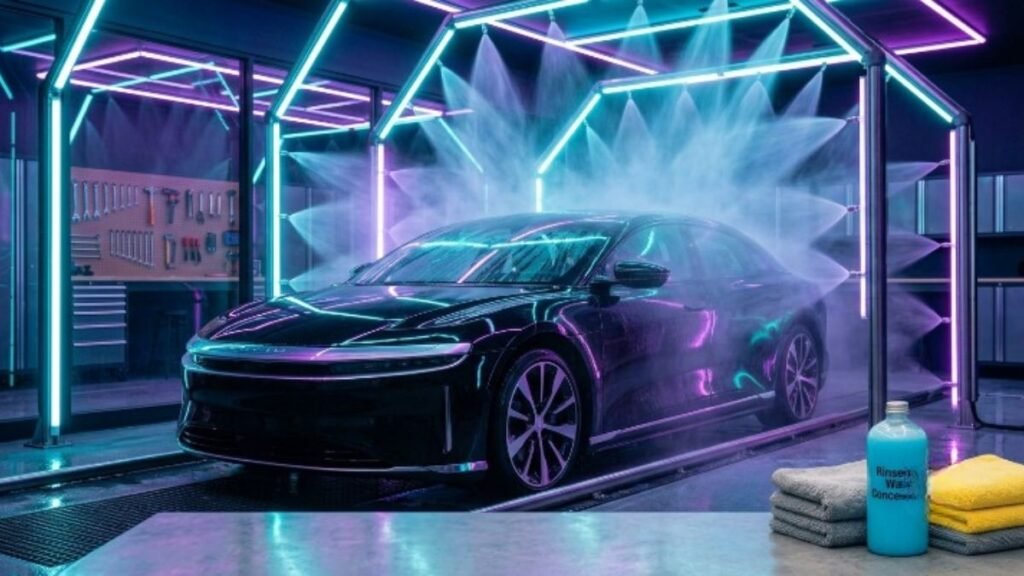
What is a touchless car wash? It is an automated vehicle cleaning method designed to wash cars using only high-pressure water jets and specially formulated chemical detergents, completely eliminating physical contact with the paintwork. For decades, traditional automatic car washes relied on heavy friction brushes, spinning bristles, and cloth strips to scrub dirt away. While highly effective at removing mud, these friction-based systems frequently leave vehicles covered in unsightly swirl marks, micro-scratches, and clear coat marring due to grit trapped from previous vehicles.
As modern automotive paint care and ceramic coatings have evolved, vehicle owners have increasingly turned to touch-free alternatives to safeguard their investments. Here at AutoGlowHacks, we dive deep into the mechanics, environmental benefits, financial costs, and structural drawbacks of this popular cleaning method so you can choose the best routine for your vehicle.
How Does a Touchless Car Wash Work?
Unlike a standard regular car wash that utilizes mechanical agitation, understanding what is a touchless car wash requires looking at advanced chemical engineering and high-pressure fluid dynamics to break down and lift road film. The entire process follows a carefully timed, hands-off sequence:
- Automated Vehicle Sensing: As you drive your vehicle into the bay, digital sensory arrays map the exact dimensions of your car to ensure the high-pressure spray arches maintain an optimal, safe distance from the clear coat.
- The Advanced Pre-Soak Application: Heavy-duty, specialized chemical detergents are sprayed over the dry exterior. These formulas are engineered to break the molecular bonds between road grime, oil film, insect splatters, and your vehicle’s paint.
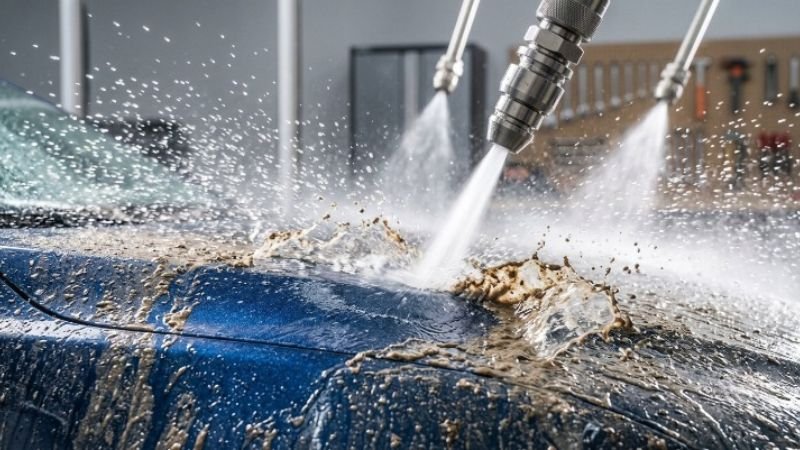
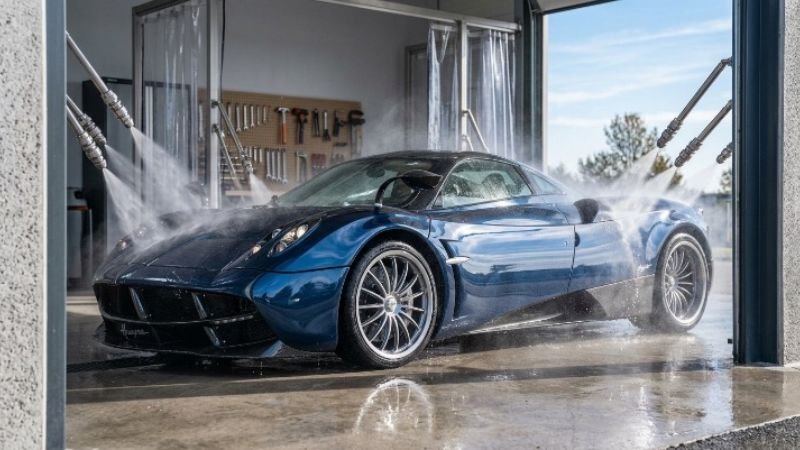
- High-Pressure Rinsing: Once the chemical pre-soak loosens the contaminants, mechanical robotic arms rotate around the vehicle, blasting it with water pressurized up to 1,000 to 1,500 PSI to sheet the grime away instantly.
- Spot-Free Rinse & Heated Drying: The system finishes with a rinse of mineral-free water filtered through reverse osmosis to eliminate unsightly spotting. High-velocity air blowers then force remaining moisture off the panels as you slowly exit.
3 Major Pros of Utilizing a Touchless Wash
If you are considering incorporating this method into your monthly vehicle maintenance program, analyzing what is a touchless car wash reveals three primary advantages that make it an incredibly attractive option:
1. Absolute Zero Friction and Scratch Risks
The single greatest benefit is the complete absence of physical contact. When analyzing what is a touchless car wash advantage, traditional regular car washes use heavy friction brushes that act like sandpaper when grit from a muddy truck gets trapped in their bristles. Because a touchless system never touches your paint, the risk of wash-induced swirl marks, micro-marring, and clear coat scratches drops to absolute zero.
2. Unmatched Speed and Convenience
For busy vehicle owners, a touch-free automated cycle is a massive time-saver, typically taking just 3 to 5 minutes from start to finish. It provides a quick, effortless way to rinse away surface dust, winter road salt, or pollen without spending hours setting up wash buckets, wash mitts, and drying towels in your driveway.
3. Maximum Safety for Aftermarket External Accessories
Traditional spinning brushes are notorious for catching on protruding vehicle parts. A touchless automated setup safely eliminates the risk of snapping off radio antennas, cracking aftermarket side mirrors, scratching custom alloy wheels, or ripping off loose exterior trim pieces and spoilers.
3 Significant Cons You Must Consider
Despite the lack of friction scratches, fully answering what is a touchless car wash also means analyzing its technical limitations and hidden risks:
1. Ineffective Against Heavily Bonded Grime
Because there is zero physical agitation or mechanical scrubbing, high-pressure water can only remove loose debris. A touchless cycle heavily struggles against baked-on bugs, thick mud buildup, road tar, and bonded industrial fallout. If your car has months of heavy buildup, it may leave behind a thin, visible film of road grime.
2. Heavy Reliance on Aggressive Chemical Detergents
To compensate for the lack of scrubbing brushes, touchless bays utilize highly concentrated, high-pH alkaline or low-pH acidic chemical detergents to dissolve dirt. Over time, frequent exposure to these harsh chemicals can dry out rubber window seals, fade black plastic trim, and prematurely strip away delicate paint protections like traditional car waxes or low-tier sealants.
3. Incomplete Drying and Water Spotting Risk
While high-velocity air dryers are positioned at the exit of automated bays, they rarely remove 100% of the water from deep body lines, door jambs, and side mirrors. If the facility’s water filtration system is poorly maintained, the remaining mineral-rich droplets can dry under the sun, baking stubborn water spots directly onto your finish. Knowing what is a touchless car wash drawback system helps you prepare a backup drying plan.
Touchless Wash vs. Regular Automatic vs. Premium Hand Wash
| Performance Metric | Touchless Automated Wash | Regular Automatic Wash | Premium Hand Wash / Detailing |
| Scratch & Swirl Risk | Absolute Zero | Very High (Friction damage) | Exceptionally Low (If done right) |
| Cleaning Power | Moderate (Light surface dirt) | High (Removes tough mud) | Superior (Deep corrective clean) |
| Time Required | 3 to 5 Minutes | 5 to 10 Minutes | 45 to 90 Minutes |
| Chemical Intensity | Very High (Aggressive formulas) | Moderate (Balanced soaps) | Low (pH-neutral detailing soaps) |
| Coatings Friendliness | Poor (Strips weak wax layers) | Poor (Scratches clear coats) | Excellent (Preserves finish layers) |
| Average Cost | Affordable ($10 – $20) | Affordable ($15 – $25) | Premium ($40 – $100+) |
Pro Detailing Tips: How to Maximize a Touchless Wash
To safely get the absolute best out of an automated touchless bay without risking your exterior paintwork, implement these professional strategies to understand what is a touchless car wash dynamic in real life:
- Build a Strong Foundational Defense: Ensure your vehicle has a strong foundational layer of defense, such as a premium nano-coating. Washing with an advanced graphene car wash shampoo or high-tier ceramic sealer creates an ultra-slick surface that easily withstands the harsh chemicals of a touchless bay far better than a standard car wax.
- Use it strictly for Maintenance: View the touchless bay as a transitional “maintenance rinse” to remove light dust or winter road salt between major detailing sessions, rather than a deep-cleaning solution for heavily soiled off-road vehicles.
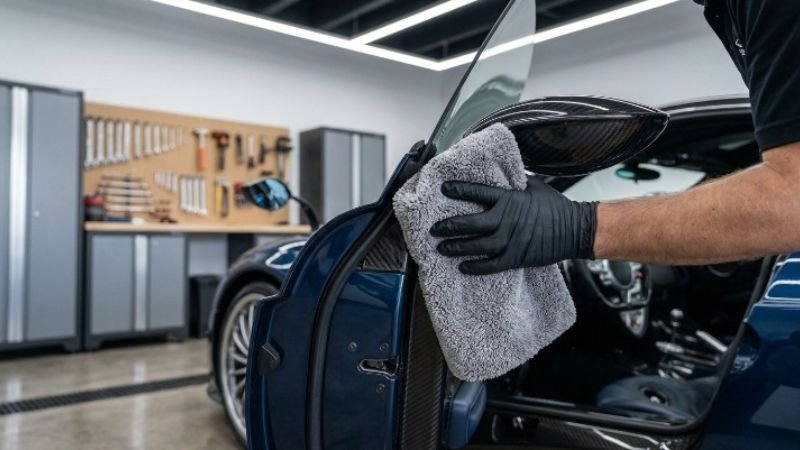
- Manage Residual Water Spots Manually: Keep a clean, high-GSM microfiber towel in your glove box. Immediately after exiting the drying bay, pull over and manually dry out your door seals, trunk lines, and mirrors to completely eliminate water spots.
Final Verdict: Is a Touchless Car Wash Better for Your Car?
Ultimately, exploring what is a touchless car wash shows that it is an incredibly useful tool for modern automotive maintenance, providing unparalleled speed and unmatched protection against mechanical swirl marks. If your priority is saving time and completely avoiding friction scratches on a lightly soiled vehicle, it is an excellent choice.
However, when people ask what is a touchless car wash capability compared to deep cleaning, if you are looking to deep-clean heavily bonded grit, remove baked-on road tar, or preserve a delicate natural car wax finish, a traditional, controlled hand wash or professional auto detailing session remains the gold standard in premium car care.