
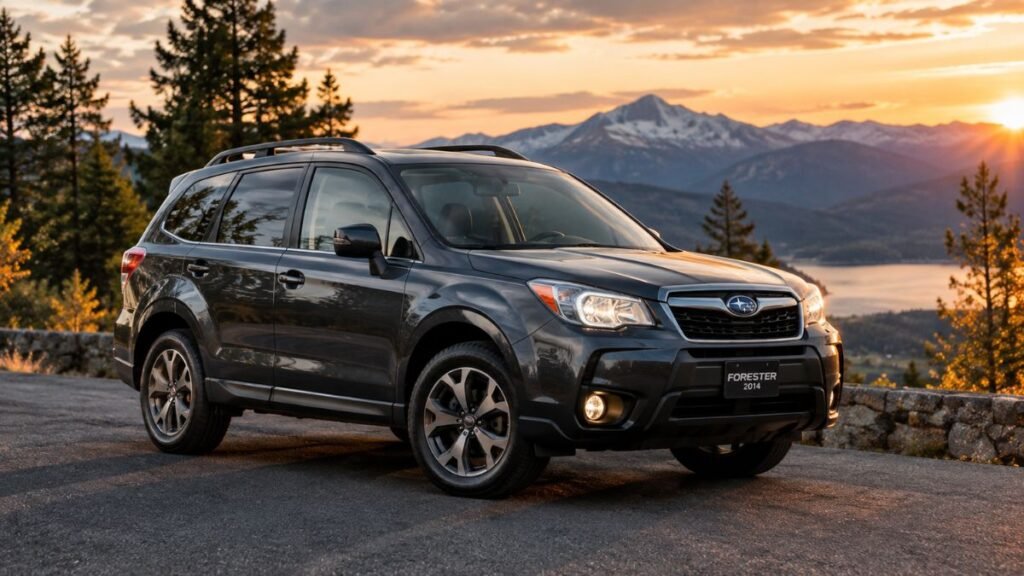
The Subaru Forester is widely recognized for its standard all-wheel-drive (AWD) capability, practical cabin space, and off-road versatility. However, when looking at the Subaru Forester years to avoid, certain model years suffer from severe mechanical defects—including early head gasket blowouts, excessive engine oil consumption, continuously variable transmission (CVT) shuddering, and spontaneous windshield cracking.
Before purchasing a pre-owned vehicle, reviewing the primary Subaru Forester years to avoid across different generations helps you stay away from unexpected repair bills and dashboard warnings. For instance, if you ever deal with sudden vehicle stability dashboard alerts on other models, checking our guide on fixing the VSA light issue can help you troubleshoot quickly.
Quick Summary: Best vs. Worst Model Years
| Category | Model Years | Key Reasons & Common Defects |
|---|---|---|
| Worst Years (Avoid) | 1998–2001, 2003, 2006, 2009–2010, 2011–2015, 2018–2020 | Single-layer head gasket leaks, high oil burning, CVT failures ($3k–$7k), fragile windshield glass, and battery drain. |
| Best Years (Recommended) | 2004–2005, 2008, 2016, 2017, 2021–2024 | Refined engines, minimal CVT complaints, standard EyeSight safety suite, and high Consumer Reports reliability ratings. |
Detailed Breakdown of Unreliable Subaru Forester Years
1. First Generation (1998–2001): Head Gasket & Rust Issues
- Primary Defect: Among the earliest Subaru Forester years to avoid, single-layer head gaskets fail near 50,000 miles, leaking coolant and oil, which risks severe engine failure. Repair costs range from $1,500 to over $3,000.
- Secondary Concerns: Premature wheel bearing wear, automatic transmission slippage, and heavy undercarriage rust in snow-belt regions.
2. Second Generation Outliers (2003 & 2006): Electrical & Turbo Failure
- 2003 Models: Door and window seal degradation causes loud cabin wind noise and power window motor failures. Structural rear subframe rust and airbag light malfunctions are frequent.
- 2006 Models: The turbocharged 2.5L XT engine suffers from oil starvation, causing total turbocharger failure with replacement costs exceeding $4,000. Non-turbo trims experience fuel line leaks in cold climates and rusted lower control arms.
3. Third Generation (2009–2011): Ruptured Oil Lines & FB25 Engine Flaws
- 2009–2010 Models: Blown head gaskets continue to rank these among the key Subaru Forester years to avoid, alongside defective airbag inflators and ruptured engine oil lines.
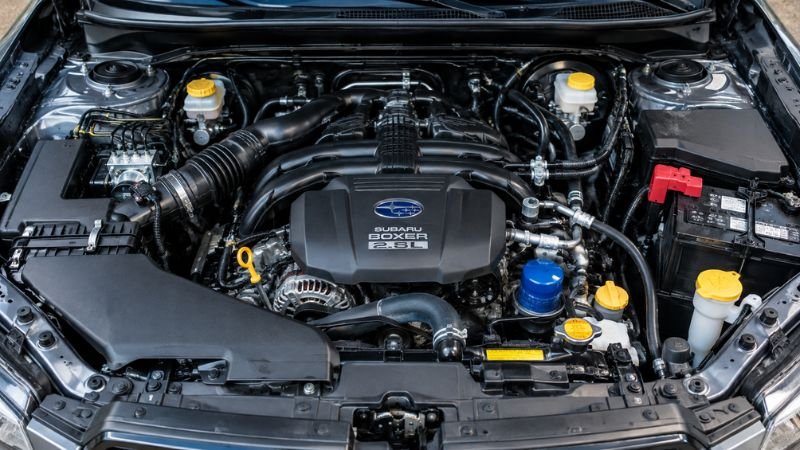
- 2011 Models: The introduction of the FB25 engine triggered widespread complaints of rapid oil consumption, burning oil smells, and unexpected acceleration.
4. Fourth Generation (2012–2015): The Most Problematic Era
- 2012–2013 Models: Subject to class-action lawsuits due to severe oil consumption requiring frequent top-offs or complete engine block replacements.
- 2014 Model (Worst Overall Year): Topping the list of Subaru Forester years to avoid, the 2014 edition is infamous for first-generation CVT jerking, broken rear suspension coil springs around 50,000 miles, and severe oil consumption.
- 2015 Model: Accumulated hundreds of owner complaints on platforms like CarComplaints regarding CVT slippage, low-speed vehicle surging, spotty Bluetooth/infotainment connectivity, and failed occupant airbag sensors.
5. Fifth Generation Glitches (2018–2020): Sensitive Glass & TCV Defects
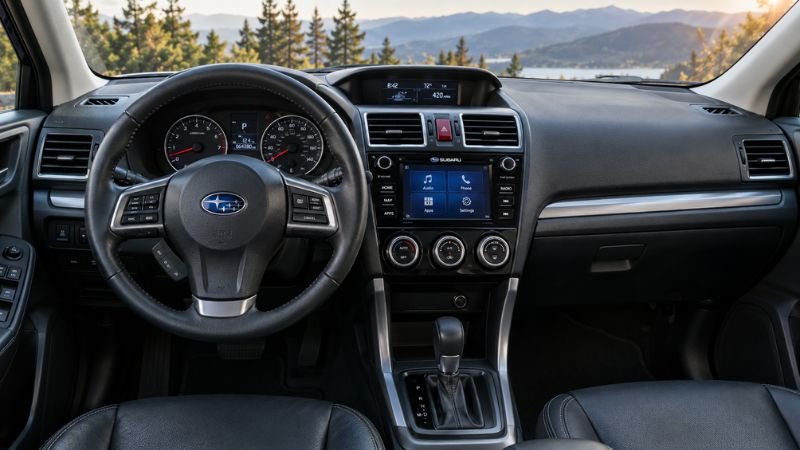
- 2018–2019 Models: Premature battery failure leaves drivers stranded. Windshields crack easily due to stress on the glass, costing over $1,000 to replace because the EyeSight driver-assist system requires recalibration. Thermo Control Valve (TCV) failures also trigger engine overheating.
- 2020 Model: Unpredictable CVT throttle response causes unexpected power surges during low-speed maneuvers or highway merging, alongside false-braking alerts from the EyeSight suite.
Top Mechanical Red Flags to Watch Out For
- Head Gasket Leaks (1998–2011): Inspect the engine bay for external oil or coolant weeping along the cylinder head seam.
- CVT Shuddering (2014–2018): Test drive at low speeds to check for jerky acceleration, delayed gear engagement, or slipping.
- Excessive Oil Burning (2011–2015): Always check the engine oil dipstick prior to purchase; low oil indicates piston ring wear typical of the FB25 engine.
- Windshield Cracks (2018–2020): Examine the windshield perimeter for hairline stress cracks originating near the EyeSight camera housing.
Pre-Owned Buying Checklist
- Verify Service Records: Ensure regular engine oil changes were completed every 5,000 miles to mitigate FB25 oil consumption risks.
- Check VIN for Recalls: Verify that TSBs (Technical Service Bulletins) and safety recalls—especially for airbags, control arms, and CVT fluid updates—have been completed by a dealership.
- Consider Manual Transmissions: Selecting a manual 2016–2018 model completely eliminates CVT transmission failure risks.
- Get a Pre-Purchase Inspection (PPI): Have an independent mechanic inspect the subframe for rust and check for head gasket weeping before finalizing a deal.
Frequently Asked Questions
Which Subaru Forester model year is the absolute worst? The 2014 model is widely considered the absolute worst among all Subaru Forester years to avoid due to widespread CVT transmission breakdowns, broken rear coil springs, and excessive engine oil consumption at low mileage.
Which Subaru Forester years are the most reliable? The 2016, 2017, and 2021–2024 model years offer high reliability scores, upgraded CVT programming, improved EyeSight safety features, and far fewer engine defects.
How long does a Subaru Forester typically last? With proper maintenance and timely oil changes, a well-kept Forester can easily last between 200,000 and 300,000 miles.