
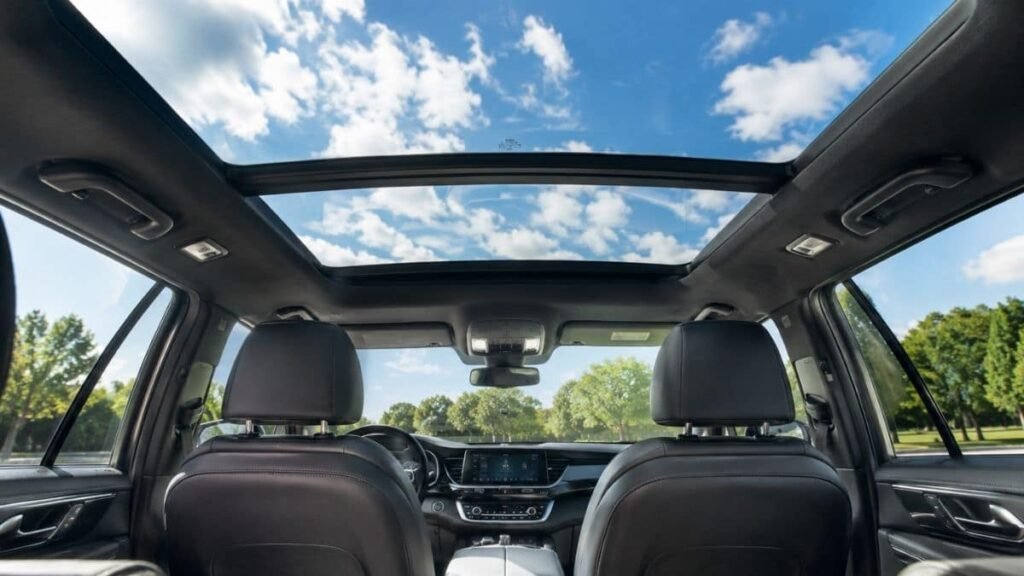
A panoramic sunroof has quickly evolved from an exclusive luxury feature into one of the most sought-after options on modern sedans, crossovers, and SUVs. Designed to dramatically transform the interior ambiance of your car, this sprawling glass panel floods the cabin with natural sunlight and offers sweeping, unobstructed views of the open sky.
Whether you are shopping for a new vehicle or considering a pre-owned luxury car, understanding how a panoramic sunroof operates, its structural engineering, its practical pros and cons, and essential maintenance practices will help you make an informed decision and protect your investment for years to come.
What is a Panoramic Sunroof?
A panoramic sunroof is an oversized glass panel system engineered to span across the majority of a vehicle’s roofline. Unlike traditional roof openings that only sit directly above the driver and front passenger, a panoramic glass roof stretches all the way over both the front and rear seating rows.
Automakers design these large glass structures to create an expansive, open-air feel inside the cabin. To ensure driver and passenger safety, modern glass panels are manufactured using heavy-duty laminated safety glass. This specialized glass resists impact, prevents sharp shattering in collisions, and comes treated with multi-layer UV coatings to block heat radiation and glare.
How Does a Panoramic Sunroof Work?
The operation of a modern panoramic sunroof relies on an intricate electromechanical system built into the vehicle’s ceiling frame.
- Dual Track Mechanism: Heavy-duty aluminum or reinforced steel tracks run along the length of the roof channels to guide the movement of sliding glass panels.
- Electric Drive Motors: Compact electric motors installed near the rear or front pillars push and pull cable systems to open, close, or tilt the glass.
- Power Sunshades & Gesture Control: Most vehicles feature an integrated electrical fabric shade that slides underneath the glass panel to block heat when closed. High-end luxury models even feature gesture-activated controls or electrochromic smart glass that tints at the push of a button.
Types of Panoramic Sunroofs
Automakers offer two main design configurations when equipping vehicles with panoramic glass roofs:
1. Fixed Panoramic Roof
A fixed panoramic glass roof consists of a solid, single-piece laminated glass panel that is permanently sealed into the vehicle frame. While it does not open or tilt to let in outside air, it provides continuous natural lighting, superior cabin sound insulation, and maximum structural integrity with zero wind noise.
2. Sliding Panoramic Roof
A sliding panoramic sunroof uses a multi-panel design where the front glass section can electronically tilt upward for subtle ventilation or slide back over the rear glass panel. This setup delivers the ultimate combination of fresh outdoor airflow and sweeping aerial views.
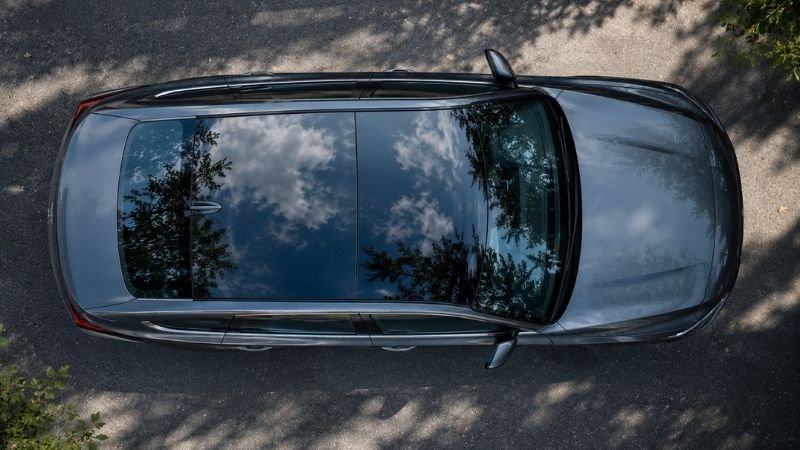
Panoramic Roof vs. Sunroof vs. Moonroof: What is the Difference?
Car buyers frequently use these terms interchangeably, but automotive design distinguishes them based on material, size, and functionality:
| Feature | Standard Sunroof | Moonroof | Panoramic Sunroof |
| Panel Material | Opaque Metal or Dark Tinted Glass | Tinted Glass | Laminated Safety Glass |
| Coverage Area | Front Seats Only | Front Seats Only | Front & Rear Seats |
| Mechanism | Pop-up, Tilt, or Slide | Slides Between Roof & Liner | Fixed or Sliding Multi-Panel |
| Cabin View | Small / Limited | Moderate | Sweeping / Full Roof |
5 Best Pros and Cons of a Panoramic Sunroof
The Advantages (Pros)
- Unmatched Cabin Ambiance: Natural sunlight transforms dark interiors, making compact cabins feel significantly wider, brighter, and more spacious.
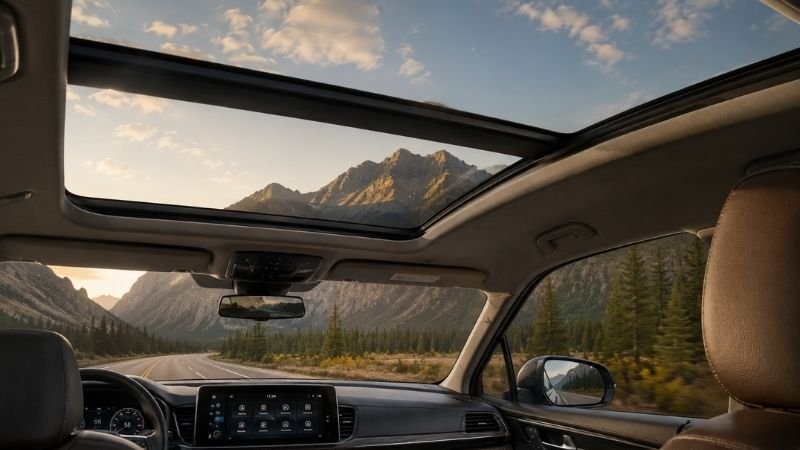
- Exceptional Passenger View: Rear passengers—especially children and road-trip travelers—enjoy panoramic views of city skylines, mountains, and stars.
- Increased Resale Value: Vehicles equipped with a factory-installed panoramic sunroof consistently command higher demand and better resale prices on the used car market.
The Disadvantages (Cons)
- Increased Cabin Heat: Large glass surfaces allow solar heat to penetrate the interior during hot summer months. (If you want to protect your vehicle’s exterior paint finish from harsh UV exposure as well, read our complete guide on how much does ceramic coating cost).
- Reduced Headroom & Extra Weight: Mechanical tracks, motors, and retractable shades consume 1 to 2 inches of interior ceiling height and add 50 to 100 pounds of weight to the top of the vehicle.
- Potential Water Leaks: Rubber gaskets and drainage tubes can degrade over time if neglected. According to structural and safety insights from Car and Driver, routine inspection of roof drains is crucial to prevent internal water damage.
Common Problems & How to Avoid Them
Over time, complex mechanical glass roofs can encounter minor functional issues. Here are the most common problems and how to prevent them:
- Clogged Drain Tubes: Rainwater drains down small channels around the roof tracks. If dirt or leaves block these channels, water can spill into the vehicle cabin headliner.
- Squeaking or Sticking Tracks: Dust accumulation can dry out factory grease, causing the glass motor to strain or squeak during operation.
- Brittle Rubber Gaskets: Exposure to extreme weather can dry out rubber seals, leading to wind noise at high speeds.
How to Maintain Your Panoramic Sunroof (Step-by-Step)
Proper preventive care ensures your glass roof opens smoothly without leaking or squeaking:
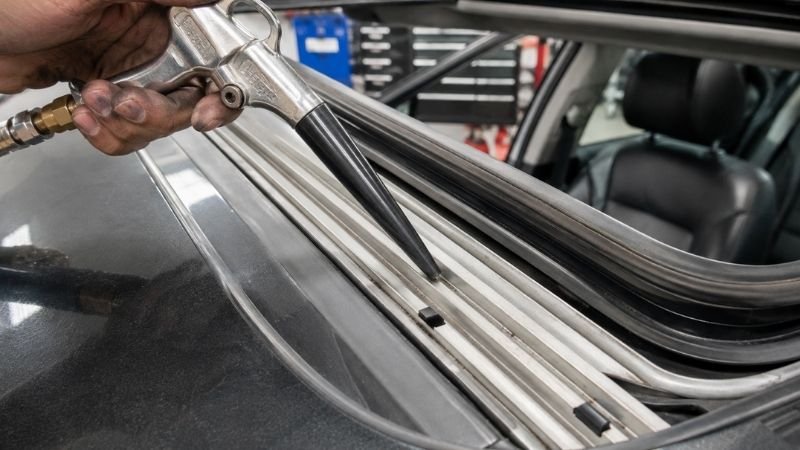
- Clear the Water Drains: Locate the small drain holes at the front corners of the roof channel. Use compressed air or a soft flexible wire to gently blow out accumulated dirt and debris.
- Clean and Lubricate Tracks: Wipe down the metal tracks with a clean microfiber cloth to remove old grease and dirt, then apply a light coating of lithium or silicone grease.
- Protect the Rubber Seals: Clean the surrounding rubber seals every few months and apply a rubber conditioner or silicone spray to keep them soft, pliable, and watertight.
(While ensuring your glass roof remains clean and smooth, keep the rest of your interior in top condition with our auto detailing packages guide, or learn how to clean car carpet like a pro).
Frequently Asked Questions (FAQs)
Are panoramic sunroofs safe during a rollover accident?
Yes. Panoramic roofs are made from thick, laminated safety glass and integrated directly into the structural roof pillars of the vehicle. They must pass the exact same roof crush safety standards as traditional metal roofs.
Can a panoramic sunroof shatter spontaneously?
While extremely rare, glass thermal stress or tiny rock chips sustained while driving on highways can create stress cracks. Ensuring your glass is free from stone chips minimizes this risk.
Does a panoramic sunroof affect fuel economy?
The slight weight increase of a glass roof (approx. 50–100 lbs) has a negligible impact on daily fuel economy, though keeping the roof closed at highway speeds helps maintain optimal aerodynamics.
Final Thoughts
A panoramic sunroof is one of the most rewarding features you can choose for your vehicle, bringing an unmatched sense of luxury, brightness, and open-air freedom to every drive. By performing simple yearly maintenance—such as clearing drain channels and lubricating tracks—you can enjoy all the benefits of a panoramic view without worrying about leaks or expensive repairs!