
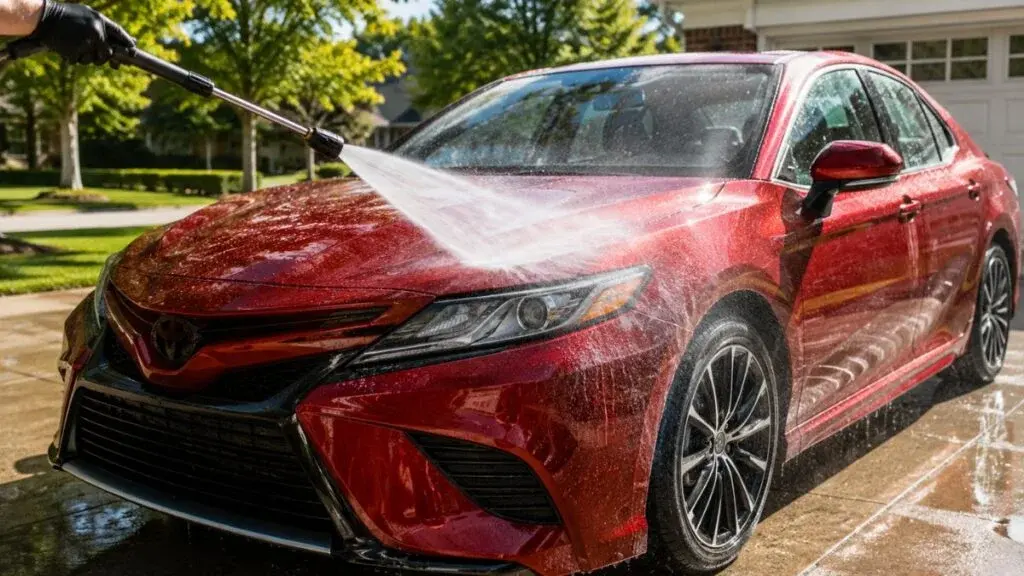
Most vehicle owners consider their car a major financial investment, spending hundreds of dollars annually on routine oil changes, tire rotations, and brake inspections. However, maintaining your vehicle’s exterior paint finish is just as critical to protecting its long-term resale value. If you have ever wondered how often should you wash your car to prevent clear coat damage without wasting unnecessary time and money, you are not alone.
While a muddy bumper or a dusty windshield are obvious indicators that your ride needs immediate attention, invisible surface contaminants quietly corrode your vehicle every single day. Airborne industrial fallout, acidic bird droppings, and abrasive road salt act like liquid sandpaper against your glossy clear coat.
Here at AutoGlowHacks, we break down expert seasonal schedules, environmental risk factors, and proven maintenance strategies so you know exactly how often should you wash your car to keep it looking showroom-fresh year-round.
1. The General Rule: How Often Should You Wash Your Car?
As a general rule of thumb, professional automotive detailing experts recommend washing your vehicle once every two to three weeks. This bi-weekly cleaning schedule creates an effective protective barrier against everyday road grime, light dust, and environmental pollution before they etch into your clear coat.
However, a one-size-fits-all timeline does not apply to every vehicle. When determining how often should you wash your car, you must evaluate four primary lifestyle and environmental factors:
- Vehicle Usage & Daily Mileage: Daily highway commuters face a constant barrage of road tar, bug splatter, and flying debris compared to weekend garage-kept vehicles.
- Storage Conditions: Vehicles parked in closed garages require far less frequent washing than cars parked outdoors under sap-dropping trees.
- Local Climate & Weather: Living near coastal salt air or driving through harsh winter snow dramatically increases corrosion risks, shifting the answer of how often should you wash your car toward weekly cleanings.
- Existing Paint Protection: Cars coated with high-grade synthetic sealants or ceramic coatings repel road grime naturally, extending the time needed between washes.
2. Seasonal Wash Guide: Adapting Your Cleaning Schedule
Seasonal weather shifts introduce unique hazards to your vehicle’s finish. Knowing how often should you wash your car means adapting your maintenance routine throughout the four seasons:
Spring & Summer (Wash Every 1 to 2 Weeks)
Warm weather brings heavy airborne pollen, sticky tree sap, and aggressive bug splatter. Tree sap and bird droppings contain high acid levels that can etch permanently into your paint finish within hours under intense summer heat. If you park under trees, weekly washes are essential.
Autumn & Fall (Wash Every 2 Weeks)
Falling leaves may seem harmless, but wet leaves lying on your hood or roof release tannic acids as they decay. These acids stain clear coats rapidly. Always brush off wet leaves immediately and stick to a strict bi-weekly schedule.
Winter (Wash Every 1 Week)
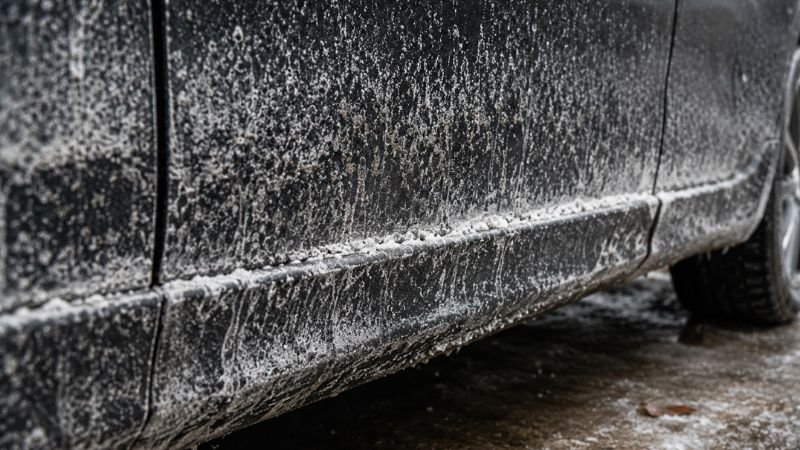
Winter is the most dangerous season for your vehicle’s undercarriage and body panels. De-icing road salt and liquid chemical brine create severe electrochemical reactions that cause metal oxidation and rust. When driving on salted roads, how often should you wash your car becomes a strict weekly rule—ensuring you thoroughly rinse the undercarriage. For official advice on safe washing habits and environmental protection, check out the U.S. Environmental Protection Agency (EPA).
3. Five Crucial Car Washing Rules to Avoid Paint Scratches
When evaluating how often should you wash your car, using correct washing methods is just as vital as cleaning frequency. Improper techniques create unsightly swirl marks and spiderweb scratches.
- Pre-Rinse Thoroughly: Always spray down the vehicle with high pressure before touching it with a wash mitt. You can learn how pre-wash foam traps loose dirt by checking out our guide on prewash snow foam methods.
- Never Use Household Dish Soap: Dish soap is engineered to strip heavy grease and will instantly strip off your vehicle’s protective wax layer.
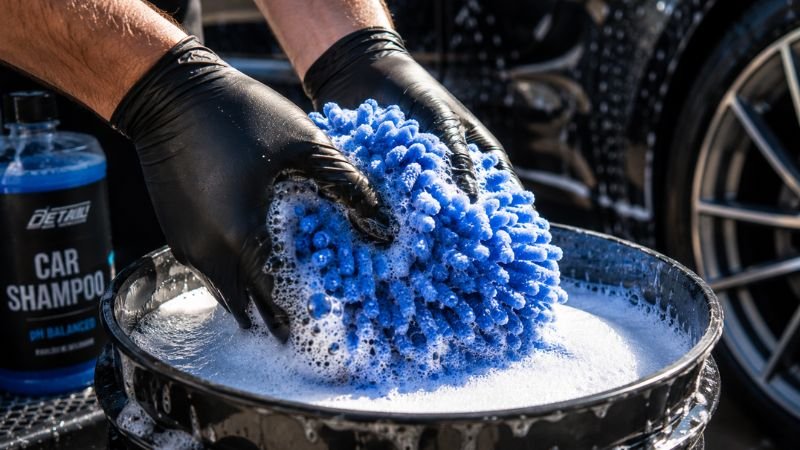
- Use the Two-Bucket Method: Use one bucket for soapy water and a separate bucket equipped with a grit guard to rinse your wash mitt.
- Clean Wheels Separately: Brake dust contains sharp metallic particles. Use dedicated wheel brushes and separate buckets to avoid dragging brake dust across your glossy paint.
- Drying is Mandatory: Never let your car air-dry under direct sunlight, or hard water minerals will leave permanent water spots. Use plush microfiber drying towels.
4. How to Keep Your Car Clean Longer Between Washes
If you want to reduce how often should you wash your car while maintaining a high-gloss finish, implement these pro detailing hacks:
- Apply a Quality Wax or Sealant: Hand-waxing your vehicle every three months creates a slick barrier, making dirt slide off effortlessly during rain showers.
- Use Touchless Car Wash Systems: If you are short on time, utilizing an automated touchless car wash helps remove heavy surface dust without scratching your clear coat with dirty bristles.
- Park Under Cover: Using a car cover or parking inside a garage shields your paint from harmful UV rays, bird droppings, and nighttime dew.
5. Final Thoughts
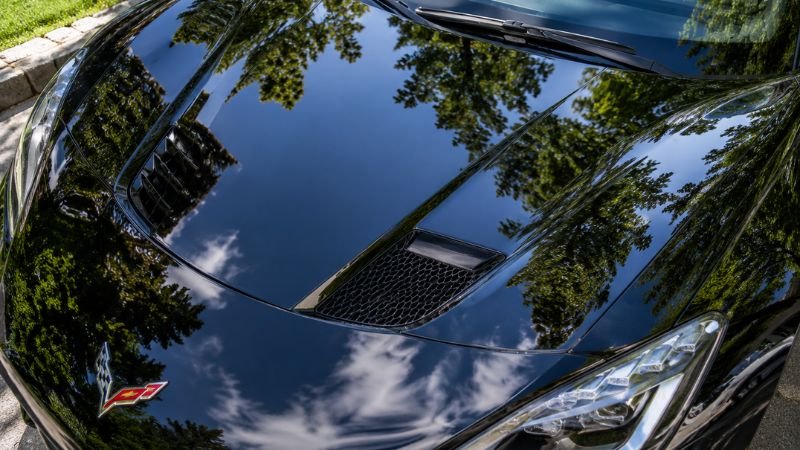
Mastering how often should you wash your car comes down to evaluating your driving environment and weather conditions. By sticking to a bi-weekly routine—and stepping up to weekly washes during salty winters and pollen-heavy springs—you will preserve your vehicle’s glossy paint and maximize its resale value for years to come. Once your paint is shining, make sure to follow our step-by-step guide on how to clean car carpet to keep your interior just as clean as your exterior.